A robust microbiome doesn’t happen by chance. It’s built—with the right biology. Biosolutions help shape a diverse, stable, and resilient microbiome—supporting digestive balance, consistency, animal health and well-being. Because when the gut thrives, everything else follows.
The power of a robust microbiome
A robust gut microbiome helps animals make better use of feed, strengthens resilience, and reduces variation. Understanding how to build and support microbiome robustness is key to unlocking consistent, sustainable performance.
Variation starts in the gut
Uniform animals perform better. But even with optimal management, variation creeps in. One key contributor? Microbiome imbalance. A stable, diverse, and resilient microbiome sets the foundation for health and productivity.
Resilience at the microbial level
Microbiome robustness means a gut that stays balanced—even under pressure. High alpha diversity and low beta diversity may help animals adapt to transitions, challenges and maintain performance.

Performance
belongs to robust
microbiomes
Performance
belongs to robust
microbiomes
Big animals. Small animals.
Gut makes the difference.
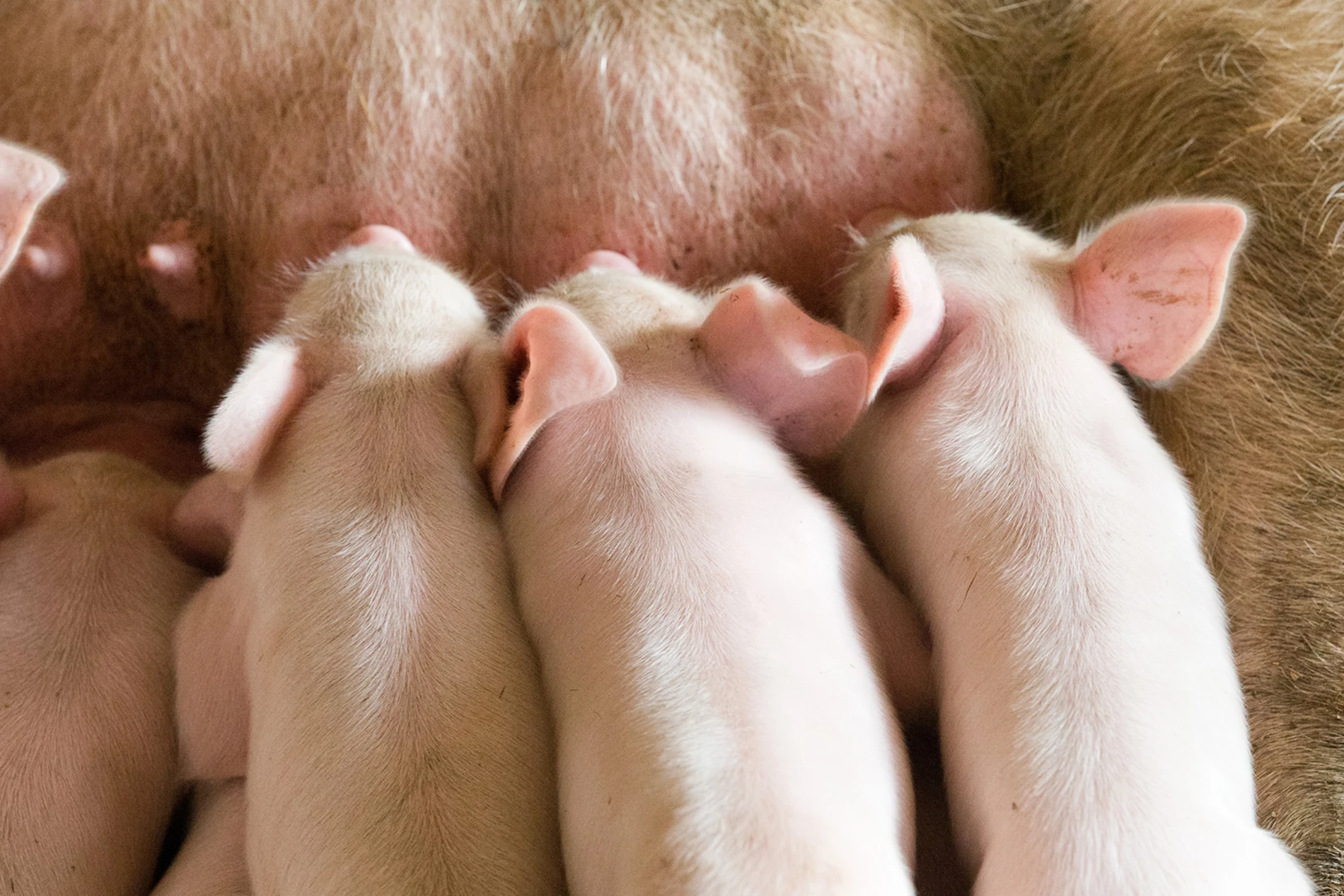
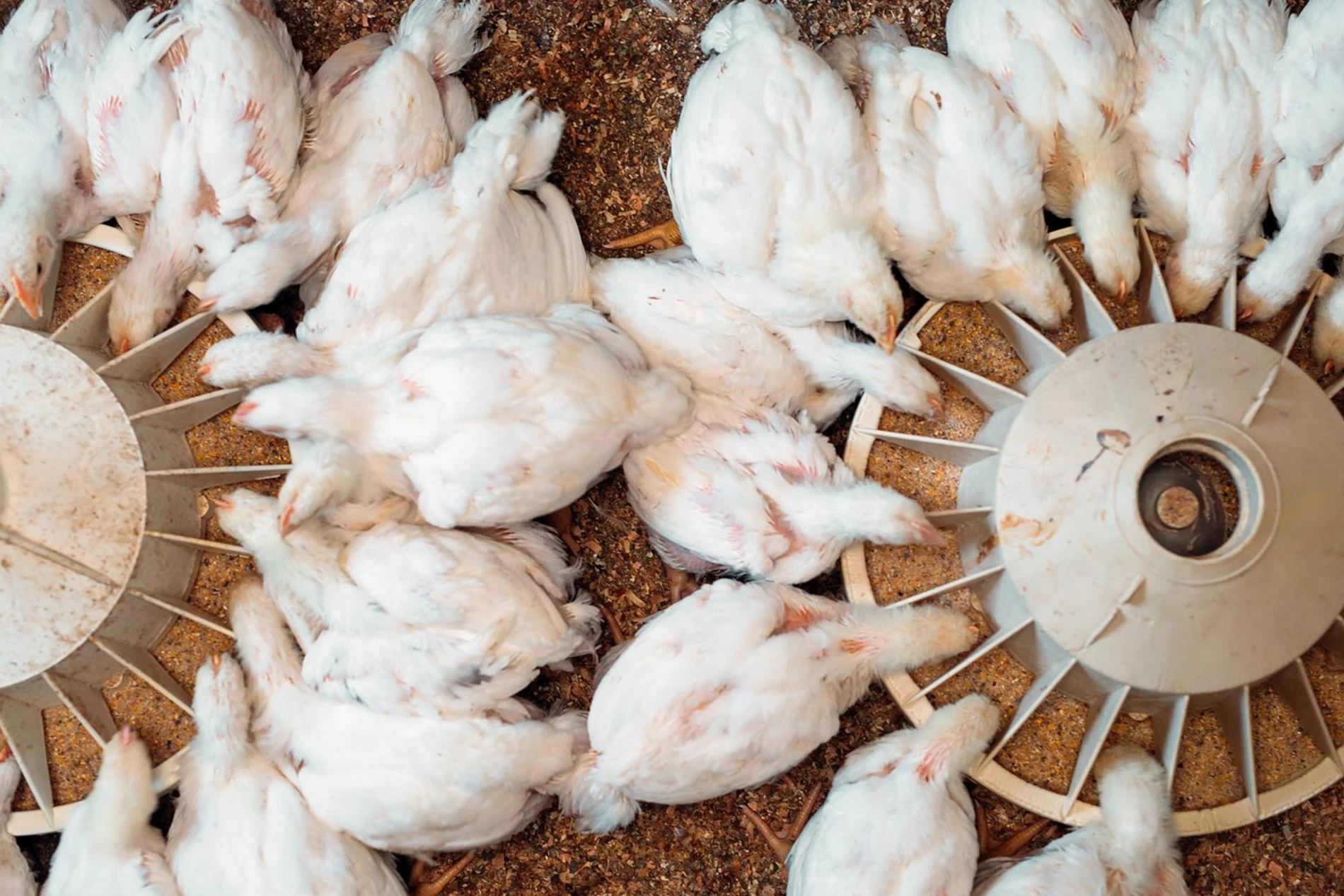
A landmark Novonesis’ study (Lundberg et al, 2021) showed that broilers with higher weight also had more diverse and stable microbiomes. Their guts hosted more beneficial bacteria—creating the conditions for uniform growth and stronger performance. We believe this to be true for other animals too. And we have seen the power of a robust microbiome in action.
Stronger starts, better outcomes
The microbiome established in the first days shapes digestion, immunity and resilience later on. Early robustness = long-term advantage.
It’s more than diversity —
it’s stability and uniformity
it’s stability and uniformity
Animals with robust microbiomes are more uniformed and they have these four things in common:
- High alpha diversity (more beneficial species)
- Low beta diversity (less animal-to-animal variation or high microbiome uniformity)
- High presence of SCFA producers (better feed energy capture)
- Stronger barrier genes (gut epithelium protection)
Higher return on your nutritional and health programs
A stable gut environment reduces the need for corrective interventions or costly nutritional buffers. A robust microbiome ensures nutrients aren’t wasted—it makes sure the feed you formulate is actually absorbed and used.
You can measure what you treasure
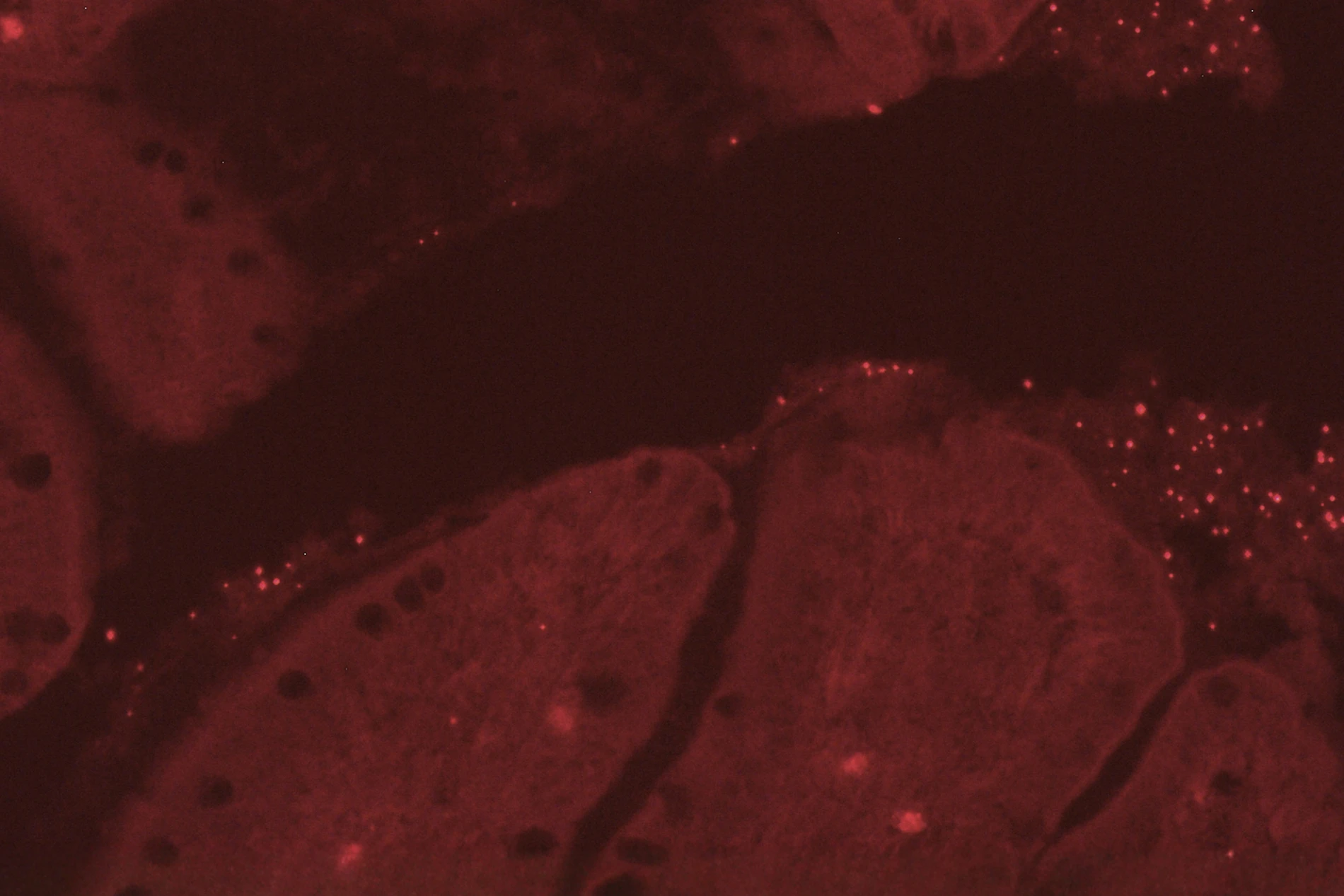
Robustness isn’t just a feeling—it’s visible in metrics like alpha/beta diversity, SCFA levels, and gene expression (e.g., occludin, MUC2, JAMs). Ask us about the microbiome robustness index and how you can use it in your operation.
Why should you care?
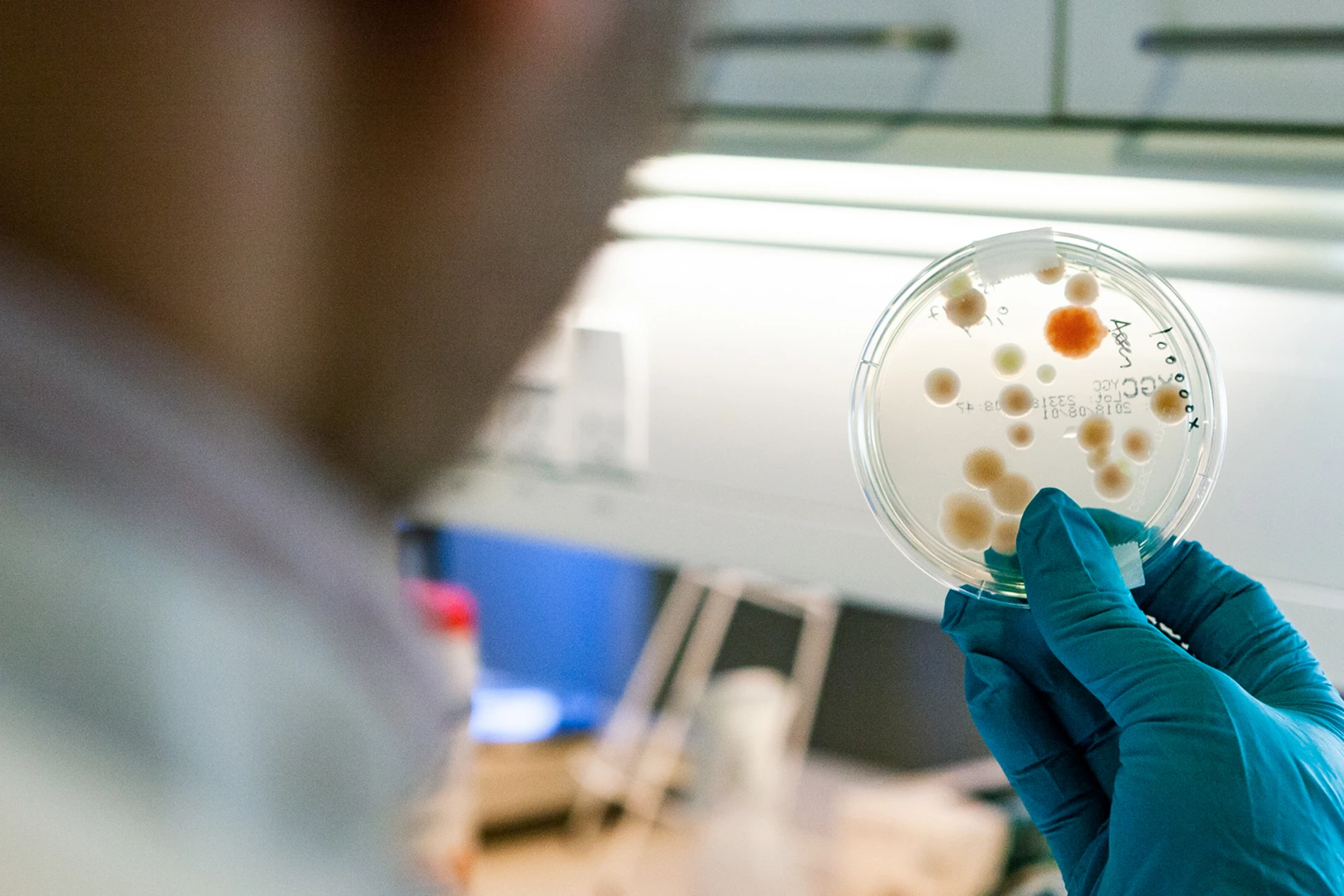
Having a robust microbiome enables animals to get what they need out of their feed and to use those nutrients to achieve as close to their genetic potential as their environment will allow. Now, we are talking business.
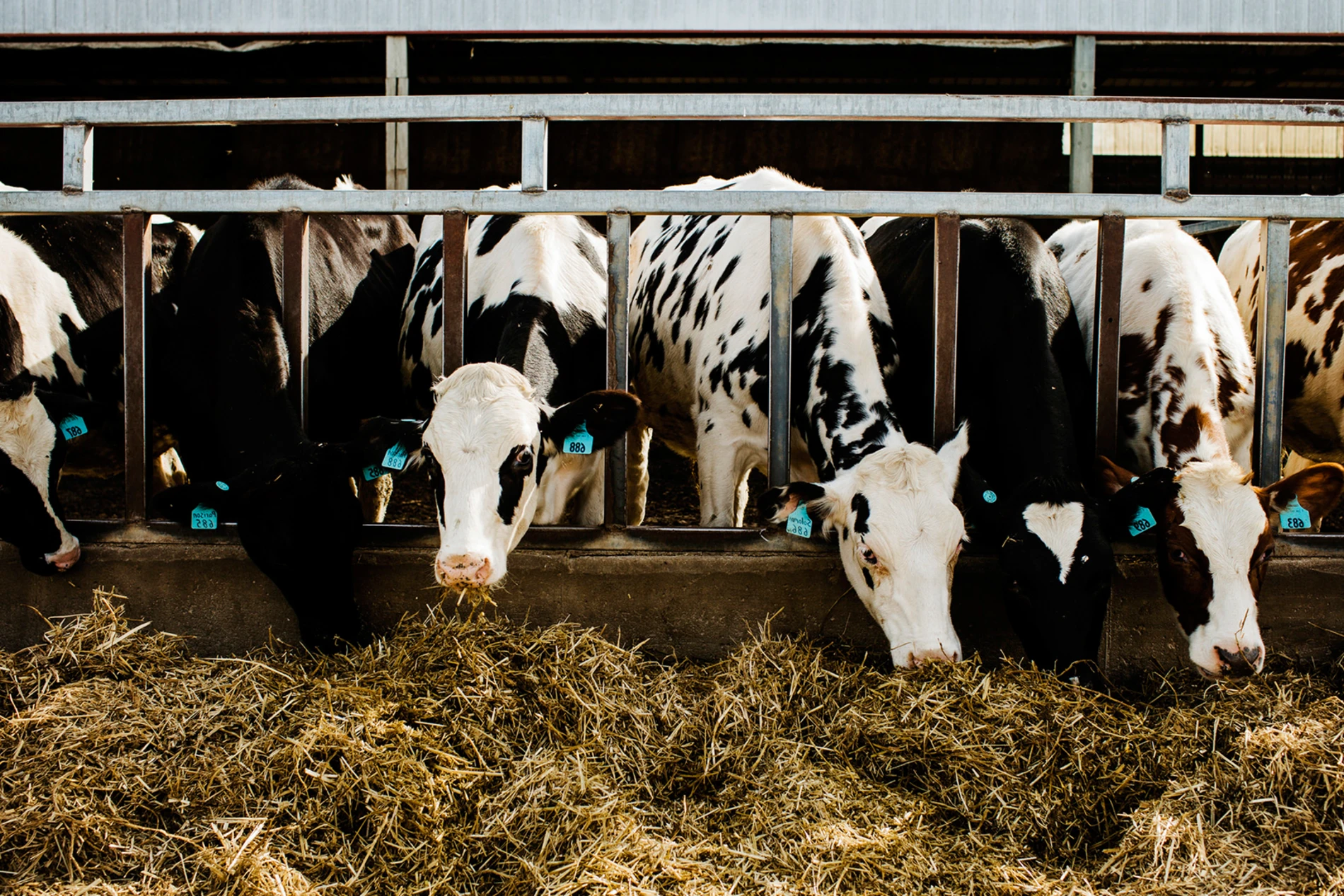
A robust microbiome speaks to more than the gut
Through the gut-brain and gut-organ axes, microbial balance influences not just digestion—but overall health. It’s a central player in whole-animal well-being through gut-microbiome-organ axes.

Make microbiome part of your strategy
A robust microbiome isn’t a bonus—it’s a baseline. It’s the foundation for better feed conversion, more predictable and uniformed performance and natural resilience in every animal. With the right biosolutions, you can build it from day one.
Contact our technical experts today
Let’s talk about how microbiome robustness can elevate your operation. Reach out to our experts and discover the right biosolution for your system.
One more step…
To complete the get in touch form or sign up, please click on the button below to enable cookies.
Cosgriff B., 2009, Uniformity equals profitability, WattPoultry.
Lundberg R., Scharch C., Sandvang D., 2021, The link between broiler flock heterogeneity and cecal microbiome composition, Animal Microbiome (2021) 3:54
Vasdal G., 2019, Associations between carcass weight uniformity and production measures on farm and at slaughter in commercial broiler flocks, Poultry Science
Bostvironnois et al., 2022. Positive impact of a triple strain bacillus-based probiotic on intestinal biomarkers at 7 days of age
Bostvironnois et al., World Poultry Congress, Paris. C. Harwood, J.M. Mouillon, S. Pohl, J. Arnau (2018). Secondary metabolite production and the safety of industrially essential members of the Bacillus subtilis group. FEMS Microbiology Reviews, 42, 721-738.
Hippala et al., 2018. The Potential of Gut Commensals in Reinforcing Intestinal Barrier Function and Alleviating Inflammation. Nutrients 2018, 10(8), 988
Monika Proszkowiec-Weglarz, Lori L. Schreier, Stanislaw Kahl, Katarzyna B. Miska, Beverly Russell, Theodore H. Elsasser, Effect of delayed feeding post-hatch on the expression of the tight junction– and gut barrier–related genes in the small intestine of broiler chickens during neonatal development, Poultry Science, Vol 99, Issue 10, Oct 2020, 4714-4729
Paone P, Cani PD. Gut 2020;69:2232–2243. doi:10.1136/gutjnl-2020-322260
Park, H. et al., 2005. A distinct lineage of CD4 T cells regulates tissue inflammation by producing interleukin 17. Nat. Immunol. 6, 1133–1141 Trial Chr. Hansen AHN #80787