

The Biosolutions
Bulletin
Everything you need to know about biosolutions, delivered monthly to your inbox.
Three new ways to explore The Biosolutions Bulletin

The Biosolutions Bulletin Book
We curated our most impactful stories into a premium paperback. Revisit the ideas that sparked it all with this "Best of" collection, designed specifically for your bookshelf.
Claim your limited edition copy today - it is free; you only cover the postage.

Podcast: Explore the future
We reimagined our most compelling stories into an immersive audio experience.
Subscribe now to get fresh inspiration delivered straight to your feed, ready to stream wherever you are.

Cozy up by the fire
Settle in for a special fireside experience. We captured the full collection in a warm, festive setting - perfect for a quiet evening with a hot cup of cocoa.
Watch the stories come to life and find a new spark of inspiration in the glow of the fire.
Next issue: March 2026
What are biosolutions? Where do they come from?
How do they work? What would the world look like without them?
Get the answers to these questions and more from the monthly biosolutions bulletin. Whether you’re an expert who wants to keep on top of the latest innovations or just starting to learn about biosolutions, we’ve got you covered.
With stories ranging from the role of biosolutions in food security to how they enable NOMA-style dining experiences, there’s something for everyone.
Don’t miss out on the latest news about how biosolutions better our world. Sign up to get the biosolutions bulletin delivered directly to your inbox.
One more step…
To complete the get in touch form or sign up, please click on the button below to enable cookies.
"Construction and infrastructure"
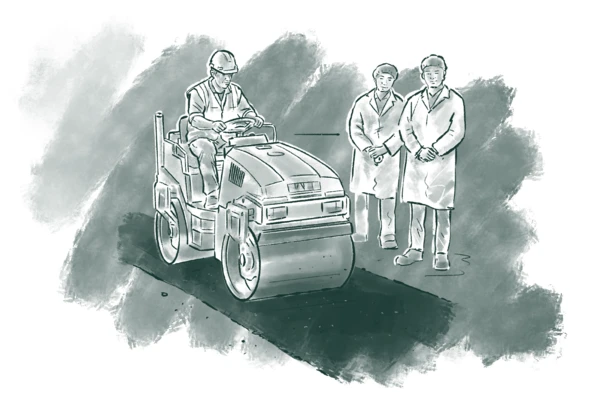
Biosolutions beneath our feet: How fungi are rewriting roads and pavements
Great empires have always announced themselves in stone, from the Pyramids of Giza to the Colosseum. Today, two materials dominate this role: cement and bitumen. They sit at the heart of modern development, yet they come with a heavy cost.
This article steps back to examine how these energy-intensive binders came to dominate construction, and why their reliance on fossil fuels and extreme heat—up to 1,450°C—is forcing the industry to reconsider how we build.
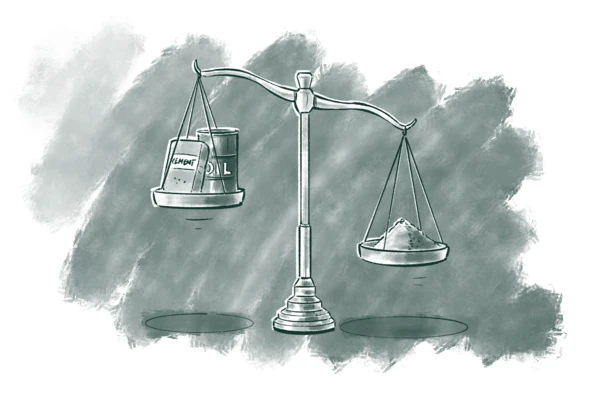
Rethinking the materials that hold the modern world together
In conventional infrastructure, binders rely on force. Fungal binders work differently: they don’t need heat or chemistry. Instead, they rely on growth.
Discover how mycelium—the root-like network of fungi—is showing up in a place few would expect: as a binder for roads and pavements to replace cement and bitumen. We explore how startups like Visibuilt are growing infrastructure that is strong, flexible, and free from the toxic fumes and high energy costs of the past.