Inefficient cleaning comes at a cost
Even though your processing equipment looks clean, it might not be. Relying exclusively on traditional chemistry can result in sub-optimal hygiene.
Food and beverage plants are prone to fouling and soil build-up. If not fully removed, soils can harm uptime, production, quality, and sanitization, reducing profit. Key challenge areas include tanks, pipes, heat exchangers, membranes, and water-exposed surfaces like conveyor belts. What's the best solution?
Traditional chemicals are inexpensive. But it can cost.
Many processing plants rely on traditional cleaning chemistries to clean processing equipment. And they do indeed get the job done - sometimes. But traditional chemistry may not be the most thorough when it comes to removing organic soils.
Traditional cleaning agents such as caustics and acids often struggle to fully remove residual organic matter and inorganic matter, respectively. So, while equipment may look clean, it may not be. And when a surface isn’t truly clean, it’s easier for fresh soils to attach and accumulate on equipment during subsequent production runs. The presence of residual soils makes it more difficult to sanitize/disinfect process equipment. Inefficient cleaning increases the risk of unplanned downtime, reduced production efficiency and lower product quality.
Soiled membrane
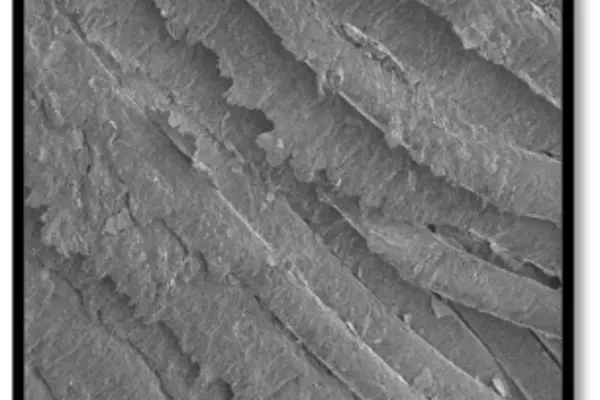
Cleaned with caustic and acid
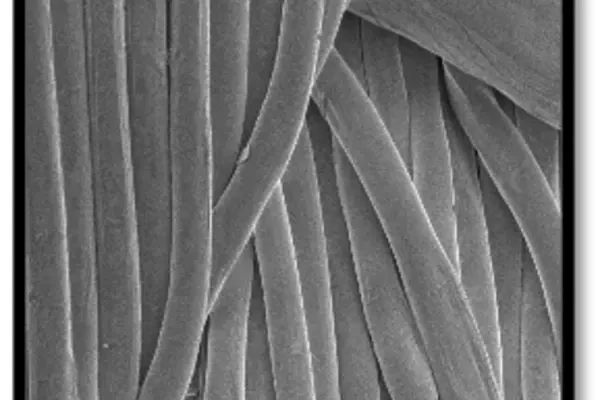
Cleaned with enzymes
Closeup of stainless steel mesh
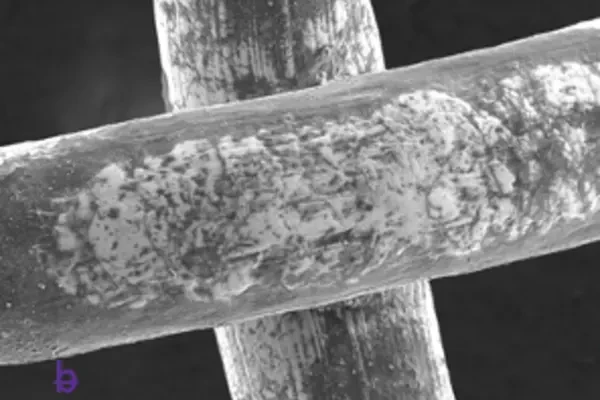
Cleaned with chlorinated compound
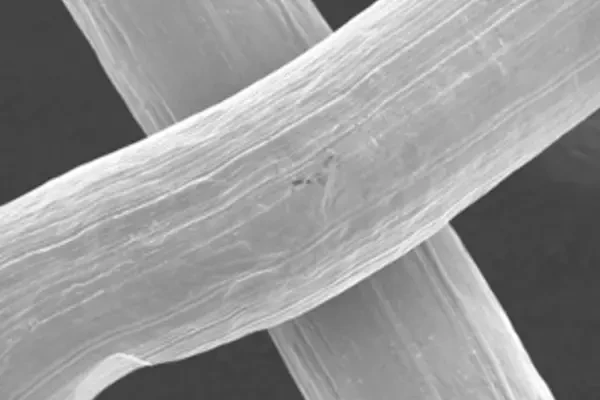
Cleaned with enzymes
Stainless steel mesh
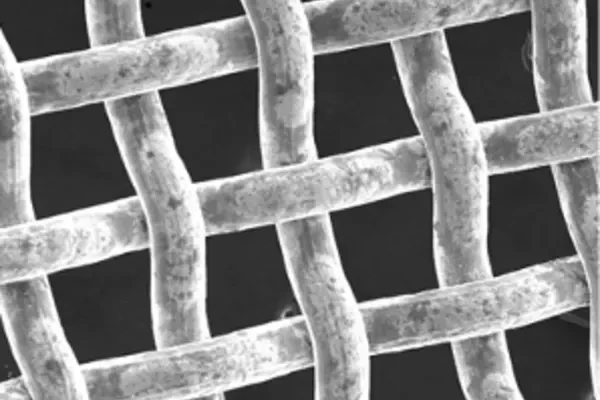
Cleaned with a chlorinated compound
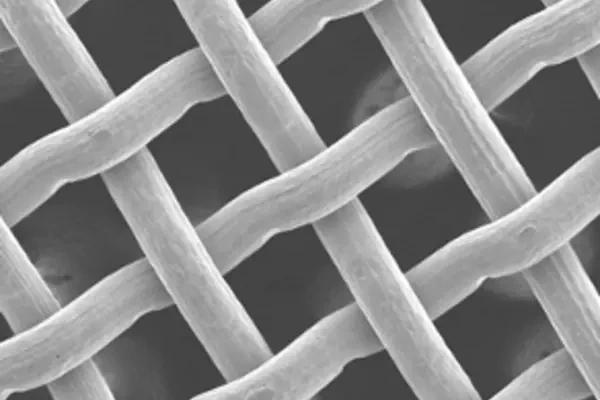
Cleaned with enzymes
Too complex for traditional chemicals
Traditional cleaning methods provide a generalized clean for removing simple soils, such as protein. But organic soils are usually not simple or mono-component. Rather, they typically comprise a variety of components that can vary by industry.
Take a dairy processing plant, for example. Here you’d expect to find residual soils like protein and fats in a fouled membrane. However, compositional analysis of residual soils from dairy plants demonstrates that the soils also can also include other components such as organic polymers. This added complexity makes it more difficult for traditional chemistries to fully remove the soils.
To effectively clean complex organic soils, your cleaning solution must be:
1. Specific enough to tackle problematic components within the soil matrix
2. Flexible enough to tackle the differences in soil complexities across different types of processing plants
Ideal for organic soils and good for business
Enzymes meet both of the above criteria whereas traditional chemistries are more general and may not fully remove complex soils. And when enzymes are combined with a good surfactant package, they enable the most efficient approach to good plant hygiene. Enzymatic solutions can also be tailored to remove various complex organic soils, across industries. This results in improved cleaning which can increase operational efficiency and reduce downtime. In addition, subsequent sanitizing/disinfecting steps become more efficient reducing the risk of product contamination making sure quality metrics are met or exceeded the first time and potentially allowing equipment to stay cleaner longer.
Traditional chemistry vs. enzyme blends
| Traditional chemistry | Enzyme blends | |
| Cleaning & disinfection | Partial generalized clean and potentially inefficient disinfection | True, targeted clean and efficient disinfection Can be tailored to industry-specific soil compositions |
| Equipment | May not be compatible with all materials and can reduce some equipment life | Safe for all surfaces and materials |
| Sustainability | Energy intesnive Treated prior to disposal | Efficient at lower temperatures No treatment prior to disposal |
| Operational efficiency | Multiple cleaning rounds to meet metrics of success Lower production rates Potential challenges in quality metrics | Reduc downtime Maintain consistent production rates Improve quality metrics |
See how your business can benefit
If you’d like to explore the ways your business can benefit with an enzymatic cleaning solution for processing equipment, contact our experts. We’re happy to answer your questions and explore your opportunities – no strings attached of course.
One more step…
To complete the get in touch form or sign up, please click on the button below to enable cookies.