Class: Amylase
Format: Liquid
Termamyl® Classic
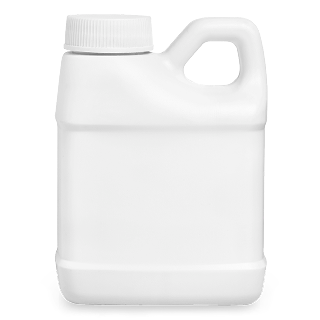
Novonesis Termamyl® Classic is a traditional solution for adjunct liquefaction.
Product features, details and benefits
- Increased brewhouse capacityThe way this product modifies theprotein matrix allows for shorter mashing times. It can also have a positive impact on wort filtration and extract yields in the brewhouse. That boosts your brewhouse capacity.
- Consistent extract yieldA liquefaction step that uses only malt enzymes can lead to inconsistent starch degradation. This in turn leads to inconsistent extract yield. This heat-stable product delivers consistent liquefaction at high temperatures.
- Increased adjunct inclusionAdjuncts like corn, rice and sorghum starch have high gelatinization temperatures. Malt α-amylases become inactive at these temperatures. The result is inconsistent with starch degradation. That limits the proportion of these adjuncts you can include in your beers. This thermostable product delivers consistent liquefaction at high temperatures. That means you can increase adjunct inclusion in your beers.
Termamyl® Classic is a classical thermostable amylase.
This product contains enzymes. While enzymes are safe to use in consumer applications, they need correct handling in working environments to ensure workers’ safety.
Indeed, repeated inhalation of enzyme dust or aerosols resulting from improper handling may induce sensitization and may cause allergic type 1 reactions in sensitized individuals.
Please follow the precautionary handling recommendations below:
- Avoid breathing dust/fume/gas/mist/vapors/spray
- Avoid contact with eyes, skin, or clothing
- In case of inadequate ventilation wear respiratory protection
- IF INHALED: Remove person to fresh air and keep comfortable for breathing
- If experiencing respiratory symptoms: Call a POISON CENTER or a doctor
- Store in a dry place. Store in a closed container
- Dispose of contents/containers in accordance with local regulations
For recommendations on how to safely handle the enzyme product, please visit the guide.
Adjuncts such as maize (corn), rice, cassava and sorghum have very high gelatinization temperatures. Malt α-amylases are deactivated at high temperatures. Heat-stable α-amylases are not. They break down amylose and amylopectin to improve yields and reduce the risk of haze in the final beer.
Adjuncts containing starch with low gelatinization temperatures include barley, wheat and oats. These have gelatinization temperatures of <65°C. You can mash them together with the malt in the mash-tun.
Adjuncts including maize (corn), rice, cassava and sorghum have much higher gelatinization temperatures. You may need to gelatinize these in a separate cereal cooker at temperatures of 85°C - 100°C. These higher temperatures deactivate malt α-amylases. That's why heat-stable α-amylases are often used for these types of adjuncts. Their activity isn't affected by high temperatures.
α-amylases are endo-acting enzymes. They act on 1,4-α-glucosidic linkages in amylose and amylopectin, bypassing the 1,6- linkages. Breaking these links reduces the risk of retrogradation. Retrograded starch precipitate means lower extract yields. It can also appear as haze in the finished beer.
α-amylases also lower wort viscosity. That's because they break large amylose and amylopectin molecules down into smaller dextrins and oligosaccharides.
Thermo-stable α-amylases are added to the cereal cooker with the adjunct at the start of liquefaction. If you're running a single-vessel brewhouse you can add them to the mash-tun with the adjunct at the start of liquefaction.
Which product is right for you?
Find the right solution for you in our global portfolio, shown below. To find out more about products available in your region, get in touch with your local Novozymes representative.
Liquid
Termamyl® Classic
Liquid
Termamyl® BrewQ
Liquid
Termamyl® SC 4X
Liquid
Termamyl® SC DS
Testing one of our products in your own production is the best way to experience all the benefits.
One more step…
To complete the get in touch form or sign up, please click on the button below to enable cookies.