Class: Multi-enzyme blend
Format: Liquid
Ceremix® Flex
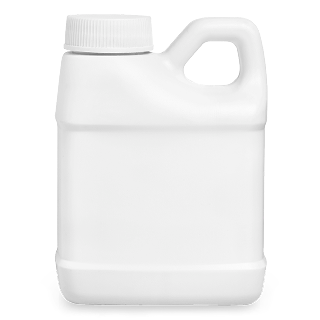
Novonesis Ceremix® Flex is a stand-alone blend. It's suitable for infusion mashing of up to 100% high-gelatinization-temperature grain adjuncts.
Product features, details and benefits
- 100% adjunct brewingWorking with high ratios of adjuncts with high gelatinizing temperatures can lead to unwanted changes in your real degree of fermentation. With a single application, this product extracts more fermentable sugars from all adjuncts. That gives you complete flexibility in the proportion of adjuncts you include, all the way up to 100%.
- Grain adjuncts in infusion mashingGrain adjuncts like rice, maize (corn) and sorghum gelatinize at higher temperatures than malted barley. They need a separate cereal cooking step. With this product, you can leave out the cooking step and process them in an infusion mashing process.
- Delay capital investmentBy increasing your fermentation capacity, this product could allow you to meet demand even in peak season. That would allow you to delay capital investment in fermenters and still meet your production targets.
- Streamlined delivery of multiple enzymesThe enzymes in this product act on different substrates. That means they have complementary effects on your raw materials and brewing performance. This pre-blended solution gives you these benefits in a simple, streamlined way.
- Partial barley and/or undermodified malt brewingThe enzymes in this blend work in synergy with the existing enzyme systems in your raw materials. That means you can partially replace malt with barley and/or include under-modified malts in your brews.
Ceremix® Flex is a maltogenic amylase with alpha-amylase and pullulanase activity. It ensures efficient liquefaction of adjunct starch below gelatinization temperatures. It produces similar maltose levels, more glucose and less dextrin in comparison with decoction mashing.
This product contains enzymes. While enzymes are safe to use in consumer applications, they need correct handling in working environments to ensure workers’ safety.
Indeed, repeated inhalation of enzyme dust or aerosols resulting from improper handling may induce sensitization and may cause allergic type 1 reactions in sensitized individuals.
Please follow the precautionary handling recommendations below:
- Avoid breathing dust/fume/gas/mist/vapors/spray
- Avoid contact with eyes, skin, or clothing
- In case of inadequate ventilation wear respiratory protection
- IF INHALED: Remove person to fresh air and keep comfortable for breathing
- If experiencing respiratory symptoms: Call a POISON CENTER or a doctor
- Store in a dry place. Store in a closed container
- Dispose of contents/containers in accordance with local regulations
For recommendations on how to safely handle the enzyme product, please visit the guide.
Brewing with adjuncts brings a range of challenges as well as benefits. Blends of exogenous multi-enzymes can help. They work synergistically with raw materials' endogenous enzyme systems. That enables brewing with high-gelantinization-temperature adjuncts, 100% barley or even 100% other-grain adjuncts. For brewers, that means improved costs and flexibility.
Brewing with adjuncts such as barley, rice, maize, sorghum and cassava makes beer production more affordable. Adjuncts can also improve drinkability, flavor, taste and mouthfeel. That helps brewers to bring innovative products to the market.
But brewing with adjuncts can create challenges for brewers. They can overcome some of these challenges with blends of exogenous enzymes. These blends work in synergy with the endogenous enzymes of malt and adjuncts.
High gelatinization temperatures are a challenge when brewing with grain adjuncts. These include rice, maize (corn) and sorghum. These adjuncts need a separate cereal cooking step. That means brewers must accept higher energy costs and downtime from cleaning-in-place and cooling. They also need to invest in cereal cookers.
Brewers can overcome these challenges with an enzyme blend with de-branching activity. This liquefies the adjunct starch below gelatinization temperature. A maltogenic amylase hydrolyzes (1,4)-alpha-D-glucosidic linkages in polysaccharides. Alpha-amylase and pullulanase activities support this activity.
Malting produces a range of enzymes that are essential to the mashing process. But adverse weather conditions affect malt quality. That means brewers may face global shortages and rising costs. And in some regions, including many parts of Africa, the climate doesn't suit barley growing. That's why brewers may have to work with poor quality malt. They may also choose to replace malt with barley, or work with under-modified malt.
In all these cases, blends of the mashing enzymes produced by malting in conventional brewing can help. Alpha-amylases, beta-glucanases, proteases, xylanases, pullulanases and lipases all play a role. They work synergistically with one another and with the existing enzyme systems in brewers' raw materials. That gives the hydrolysis needed for acceptable viscosity, extract yield and filtration. It also allows brewers to generate a fermentable wort with any proportion of barley, or with under-modified malt.
Which product is right for you?
Find the right solution for you in our global portfolio, shown below. To find out more about products available in your region, get in touch with your local Novozymes representative.
Liquid
Ceremix® Flex
Liquid
Ceremix® 2X L
Granulate
Ceremix® 6X MG
Granulate
Ceremix® Plus MG
Liquid
Ceremix® Pro
Liquid
Ondea® Pro
Testing one of our products in your own production is the best way to experience all the benefits.
One more step…
To complete the get in touch form or sign up, please click on the button below to enable cookies.