The answers to better yeast extracts are inside
The answers you need to increase yield or achieve consistent quality are inside your yeast. Unlock them with our biosolutions.
Autolyzed yeast extract challenges
Autolyzed yeast extract is the result of autolysis. In this process, naturally occurring enzymes in the yeast cell react to heat by breaking down proteins in the cell. Relying on autolysis makes the yeast extract production process slow and leads to small yields. It’s also difficult to control hydrolysis and get the flavors you want.
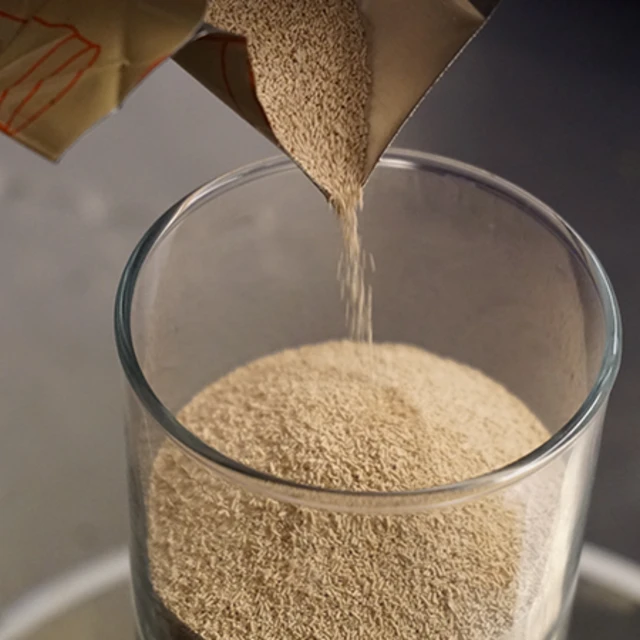
The answers to your challenges are inside
Like endogenous enzymes, our enzymatic biosolutions work inside the yeast, transforming its properties. Adding our exogenous enzymes will help you solve challenges while offering you a range of benefits.
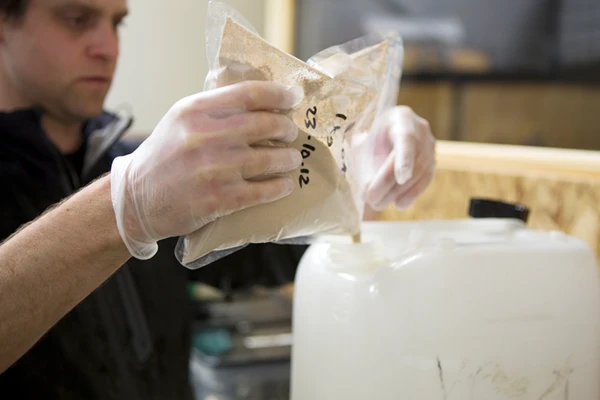
Increase processing speed
Use our enzymes to unlock the answers to faster processing inside your yeast.

Create unique tastes
You can use biosolutions from our broad portfolio of proteases to unlock the answers to creating new tastes. They complement endogenous yeast enzymes to release more FAN (Free amino nitrogen). This enables you to achieve unique new umami and kokumi flavor profiles.
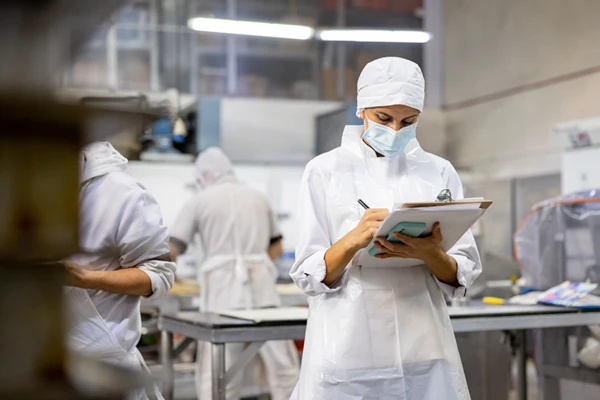
Ensure predictable processing
How do you achieve predictable processing? The answer lies inside your yeast and our biosolutions will help you unlock them. Enzymes are highly specific, so if you choose the right blend of our enzymes, you can achieve far more control over your process.
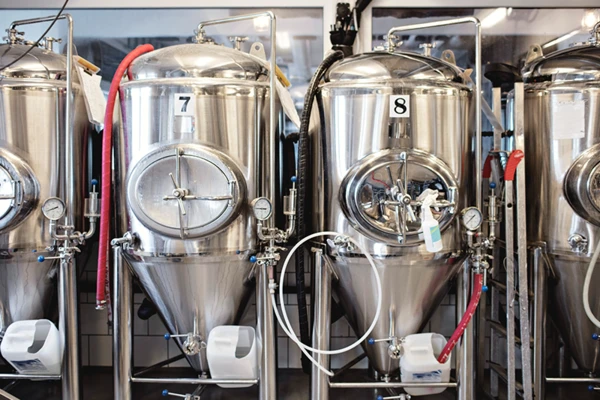
Lower yeast extraction production costs
You’ll find the answers to lowering your yeast extract production costs lie inside your yeast. Our enzyme will unlock them, so you can make your production faster, helping to lower your production costs.
Yeast extract production
Yeast extract production is a 4-step process.

1. Fermentation:
Sugar is mixed with fresh yeast and oxygen. The yeast grows and multiplies, eventually becoming yeast cream. Many yeast extract suppliers use yeast cream from external sources, such as brewer’s spent yeast or byproducts from ethanol production.

2. Breakage and inactivation:
The yeast cream is heat-treated to break down the yeast’s naturally occurring enzymes and begin opening up the yeast cell walls.

3. Enzyme hydrolyses:
Enzymes are added and incubated for a period of time, depending on the process conditions. Once this is done, the enzymes are inactivated through heat treatment.

4. Separation and post-treatment:
Yeast extracts are separated from the yeast cell walls. These extracts are typically subjected to post-treatment, such as concentration or drying, depending on the desired final format. The yeast cell wall side-stream can be upcycled for additional value capture.
Yeast extract properties
As a flavoring, a little yeast extract goes a long way. With a protein content of around 60%, it can't meet recommended protein allowances. But it can support a protein-rich diet by complementing other protein intake. It's a natural flavoring that's been a food ingredient since the early 1900s.
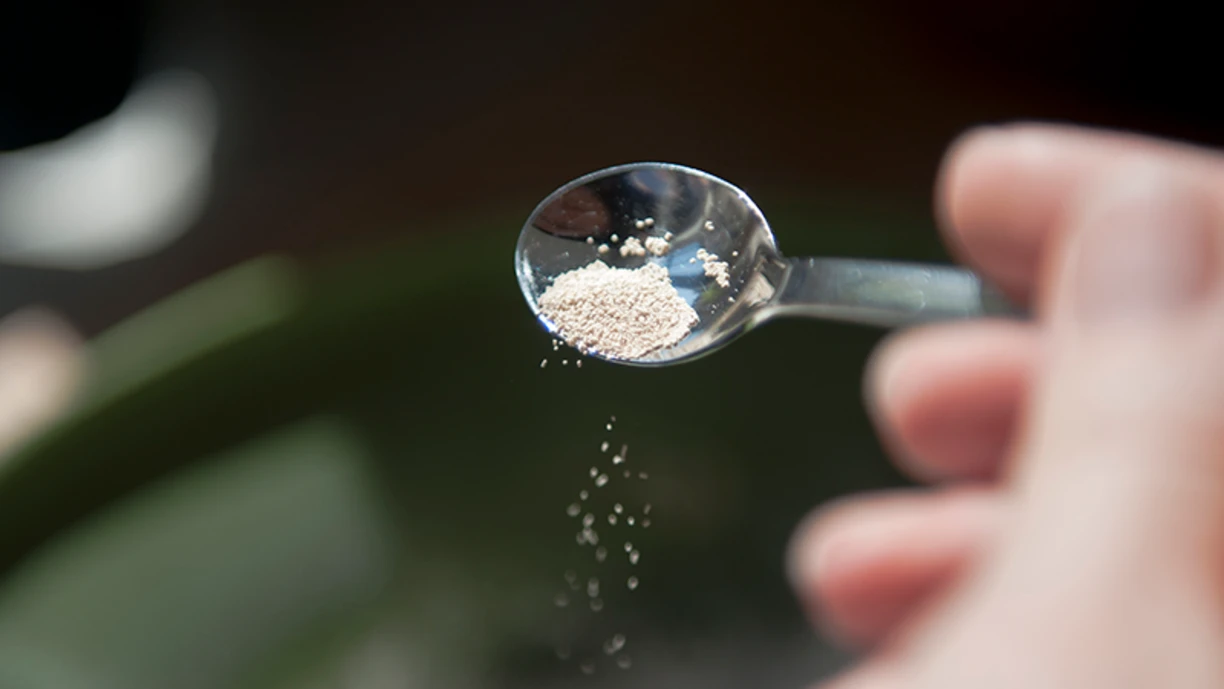
Yeast extract components
Yeast extract components are components of the yeast cell, minus the wall. So yeast extract comprises proteins, amino acids, carbohydrates, vitamins and minerals. At around 60%, protein is the largest component, then carbohydrates at around 25%. Those remaining include nitrogen, minerals and lipids.
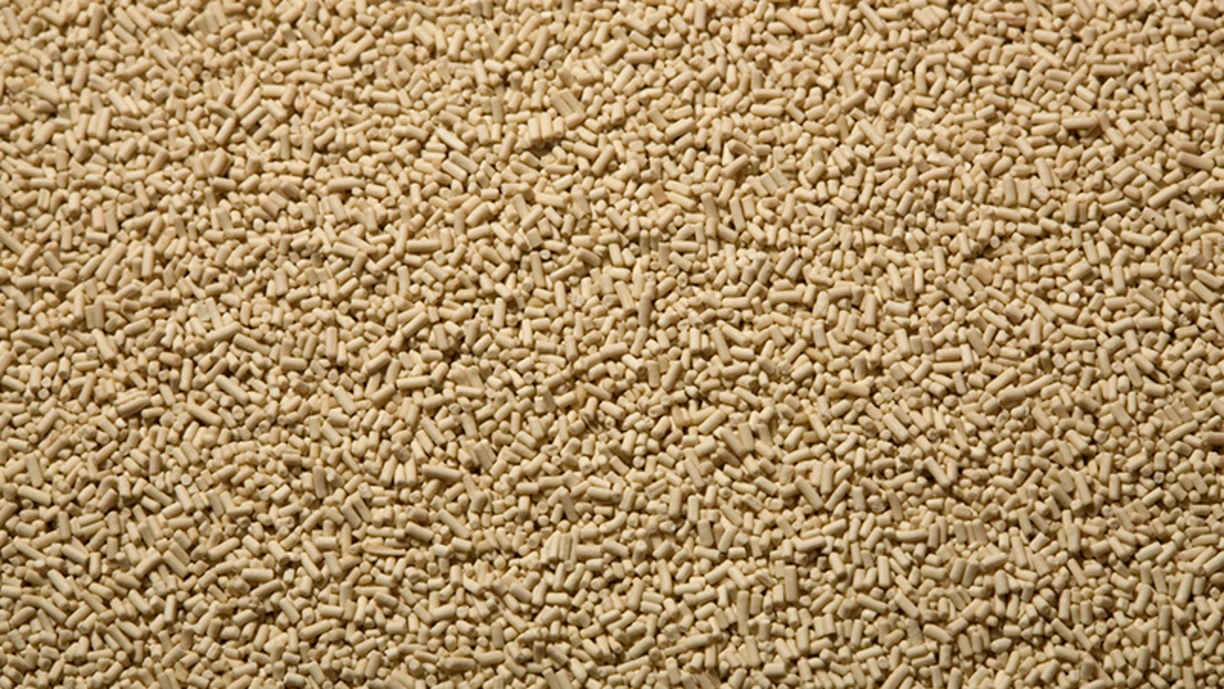
Want to join our plant-based community?
Solutions for yeast extract production
- Improved solubility and functionality of protein
- Extensive protein hydrolysis
- Liquify and breakdown plant proteins
- Working pH range
- Working temperature range
- Quality grade
- Increase protein content in beverages
- Release the potential that exists inside of your raw material
- Suitable for multiple substrates
- Available strength : 75000 PROT/g
- Working pH range: 6 - 7
- Working temperature range (°C): 50 - 75
- Quality grade: Food grade
- Tailor tastes and flavor profiles
- Reduce bitterness
Biosolutions for plant-based ingredients
Ready to get the answers from inside?
Fill out the form below and one of our plant-based food experts will be in touch shortly.
One more step…
To complete the get in touch form or sign up, please click on the button below to enable cookies.