Class: Glucoamylase
Format: Liquid
Saczyme® Plus 2X
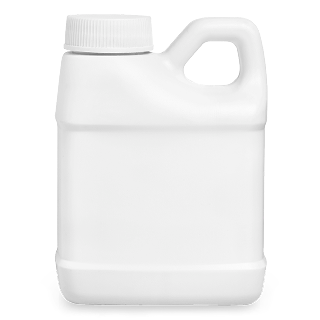
Novonesis Saczyme® Plus 2X is a concentrated thermostable glucoamylase for cost-effective, consistent performance.
Product features, details and benefits
- High ethanol yieldsThis product maximizes starch and dextrin conversion to sugars for yeast fermentation to ethanol. The result is higher ethanol yields.
- Faster fermentationFaster ethanol production early in fermentation means you get more throughput from the same facility. It also helps reduce bacterial infection. That's because bacteria reproduce much more quickly than yeast and will consume sugar and reduce pH. By accelerating ethanol production, you can inhibit their reproduction.
- Low residual starch & sugar levelsHigh levels of residual starch and sugars negatively impact your ethanol yields. This product reduces residual levels for higher ethanol yields.
- Suited to no-jet-cooking processesThis product delivers aggressive hydrolysis and high viscosity reduction. That makes it suitable for operations that don't use jet cookers.
- Hydrolyzes unconverted starchEngineering design limitations or a coarse grind may make your liquefaction process sub-optimal. That can result in unconverted starch entering your saccharification / fermentation process. This product converts that starch during fermentation to boost your ethanol yields.
- Effective on varying types and quality of raw materialsThis product delivers reliable performance on a range of raw materials, regardless of their quality. These include corn, wheat, rye, rice and cassava.
- Robust performanceThis highly thermo-stable product delivers robust performance under varied conditions. That gives you more flexibility in your operating parameters.
- Regional availability
NA (North America), CWE (Central Western Europe), EE (Eastern Europe), SEAI (South East Asia and India
Saczyme® Plus 2X is suitable if your distillery needs consistent performance and smooth operation at a low enzyme use cost.
This product contains enzymes. While enzymes are safe to use in consumer applications, they need correct handling in working environments to ensure workers’ safety.
Indeed, repeated inhalation of enzyme dust or aerosols resulting from improper handling may induce sensitization and may cause allergic type 1 reactions in sensitized individuals.
Please follow the precautionary handling recommendations below:
- Avoid breathing dust/fume/gas/mist/vapors/spray
- Avoid contact with eyes, skin, or clothing
- In case of inadequate ventilation wear respiratory protection
- IF INHALED: Remove person to fresh air and keep comfortable for breathing
- If experiencing respiratory symptoms: Call a POISON CENTER or a doctor
- Store in a dry place. Store in a closed container
- Dispose of contents/containers in accordance with local regulations
For recommendations on how to safely handle the enzyme product, please visit the guide.
How glucoamylases work in distilling saccharification
Glucoamylases hydrolyze (1,4)- and (1,6)-alpha-D-glucosidic linkages at the non-reducing ends of polysaccharides. That process yields glucose and maltose, which are suitable for fermentation by yeast.
Making beverage alcohol involves converting starch into fermentable sugars. Yeast then transforms these sugars into alcohol. Saccharification is the second enzymatic stage in the process, liquefaction being the first one. Saccharification breaks down the dextrins into simple sugars like glucose and maltose. The saccharification step is critical to the overall distiller's process. Effective saccharification ensures complete starch conversion to fermentable sugars.
In liquefaction, distillers break starch down into soluble short-chain dextrins. After leaving the cooking line, the heat exchangers cool the mash down. Then distillers add a glucoamylase.
During saccharification or simultaneous saccharification and fermentation (SSF) the glucoamylases target starch-containing substrates. They hydrolyze (1,4)- and (1,6)-alpha-D-glucosidic linkages at the non-reducing ends of polysaccharides. That breaks the dextrins down further, yielding glucose and maltose.
After saccharification, yeast converts glucose and maltose into alcohol during the fermentation process.
Which solution is right for you?
Find the right solution for you in our global portfolio, shown below. To find out more about products available in your region, get in touch with your local Novozymes representative.
Liquid
Saczyme® Plus 2X
Liquid
Saczyme® Pro 1.5X
Liquid
Saczyme® Yield
Testing one of our products in your own production is the best way to experience all the benefits. Request a free sample below
One more step…
To complete the get in touch form or sign up, please click on the button below to enable cookies.