Class: Lipases
Format: Liquid
Resinase® A 2X
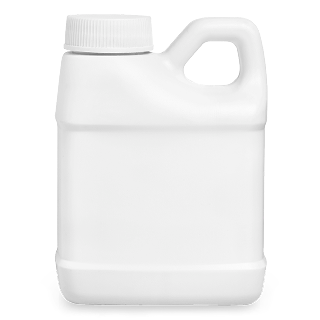
Novonesis Resinase® A 2X degrades pitch in mechanical pulps. It prevents pitch deposition to boost your production efficiency and the quality of your final product.
Product features, details and benefits
- Improved capacityWith this product you can reduce deposits on wires, felts, rolls and cans. This reduces paper machine breaks, increases energy efficiency and improves overall runnability. That means reduced downtime which improves your production capacity.
- Improved product qualityBy reducing holes, blemishes and spots, this product improves the appearance, strength and performance of your paper and board.
- Improved woodyard operationsThis product allows you to increase your use of fresh woodchips. That means you can reduce seasoning time for increased woodyard turnover.
- Suited to chemical pulpsIn unbleached sulphite pulps, residual extractives typically contain high levels of triglycerides. These extractives lead to pitch deposits. This product targets and breaks down triglycerides to reduce pitch levels.
- Suited to mechanical pulpsExtractives contaminate furnishes containing mechanical fiber, leading to pitch deposits. This product breaks down extractives to reduce pitch levels.
Accumulation and deposition of pitch on equipment increases downtime and cleaning frequency for your felts and rolls. This product targets, breaks down and neutralizes the primary components of pitch.
This product contains enzymes. While enzymes are safe to use in consumer applications, they need correct handling in working environments to ensure workers’ safety.
Indeed, repeated inhalation of enzyme dust or aerosols resulting from improper handling may induce sensitization and may cause allergic type 1 reactions in sensitized individuals.
Please follow the precautionary handling recommendations below:
- Avoid breathing dust/fume/gas/mist/vapors/spray
- Avoid contact with eyes, skin, or clothing
- In case of inadequate ventilation wear respiratory protection
- IF INHALED: Remove person to fresh air and keep comfortable for breathing
- If experiencing respiratory symptoms: Call a POISON CENTER or a doctor
- Store in a dry place. Store in a closed container
- Dispose of contents/containers in accordance with local regulations
For recommendations on how to safely handle the enzyme product, please visit the guide.
Pitch-free Mills with Lipase Enzymes
When paper mills handle pulps containing a lot of pitch, they need to deal with pitch depositing on the forming fabrics, press felts, and machine surfaces. The deposited pitch deteriorates the water drainage and causes paper spots. The extra cleaning and web breaks means expensive downtime in production.
See how using lipase enzymes is a perfect solution for this problem.

Lipases break down triglycerides in wood pitch. Esterases reduce the tackiness of stickies in recycled fiber. The result is reduced deposits on wires, felts, rolls and cans.
In mechanical pulp processes, triglycerides and resins are released and remain with the pulp. These substances can cause serious problems in paper and board production. They accumulate and form pitch deposits on wires, felts, rolls and dryer cans and even carry into the final product. The result is more frequent shutdowns and inferior paper quality. Lipases selectively degrade triglycerides into mono- and di-glycerides and free fatty acids. The free fatty acids can be washed away from the pulp or anchored onto the fibers by use of alum or other fixatives.
Lipase treatment significantly reduces the level of pitch deposition on the paper machine. It also reduces the number of defects on the paper web. Treating mechanical pulps with lipases can also remove triglycerides from fiber surfaces. The result is improved interfiber bonding. That allows paper mills to avoid or reduce the use of costly chemical pulp fibers for supplemental strength.
Most mills that consume recovered fiber experience problems with stickies. Sources of stickies include pressure-sensitive adhesives, hot melts, waxes and binders. As the name suggests, stickies are tacky particles. That means they have a tendency to agglomerate. When small and dispersed, stickies are relatively benign. However, stickies can rapidly agglomerate into larger particles with unique surface properties. At a certain point, these particles form deposits on paper mill process equipment and finished product.
Stickies often contain significant amounts of polyvinyl acetate or acrylate. Esterase enzymes target these esters, modifying their surface to reduce stickiness. The result is reduced potential for agglomeration and lower levels of macro stickies.
Which solution is right for you?
Find the right solution for you in our global portfolio, shown below. To find out more about products available in your region, get in touch with your local Novozymes representative.
Liquid
Resinase® A 2X
Liquid
StickAway®
Testing one of our products in your own production is the best way to experience all the benefits.
One more step…
To complete the get in touch form or sign up, please click on the button below to enable cookies.