



Local energy and biofuels

Circular thinking opens bioenergy opportunities

How a Brazilian bioenergy pioneer built a circular farm that strengthens his bottom line and powers a climate-ready economy.

Fermap’s circular model fuels growth – on the farm and beyond

When profits dropped and waste piled up, Fernando Pozzobon got creative. On his farm in the heart of Brazil, Fernando found a way to connect every part of his operation: corn becomes ethanol and animal feed, cattle waste turns into biogas and what’s left over goes right back to the fields to enrich the soil naturally. Nothing is wasted and everything works together.

Today, Fermap runs seven sites and supports 400 local jobs. The farm supplies feed and other essentials to neighbors, helping spread these smart, sustainable practices across the region. With international certifications and a focus on earning carbon credits, Fermaps’s story shows what’s possible when biosolutions and a circular mindset come together – helping Brazil’s economy grow stronger and ready for the future.

video thumbnail with play button on top

Biosolutions:
Powering local
energy independence

Fernando’s story is just one example of a bigger shift. Biofuel producers around the world are finding new ways to turn everyday challenges – like rising energy needs and unpredictable markets – into opportunities for stronger, more resilient economies.

Instead of relying only on limited resources, biosolutions tap into what’s already around us. Plants and farm leftovers become fuel with lower climate impact, local biomass powers communities and supply chains stay close to home. This means more jobs, stronger local economies, resource independence and energy that’s built to last.

Keep scrolling to see how biosolutions advance local energy and biofuel production.

Biofuel innovation

More ethanol out of
every batch of corn

With the help of specialized enzymes and smart yeast, biorefineries can squeeze more ethanol and valuable co-products out of every batch of corn. These biological catalysts break down starches and sugars more completely, so the process is faster, uses less energy, reduces CO2 and delivers more from the same amount of feedstock.

The result? Higher yields, extra revenue from byproducts like corn oil and a smarter way to turn crops into biofuels. It’s innovation you can see in action – making every harvest count for more.

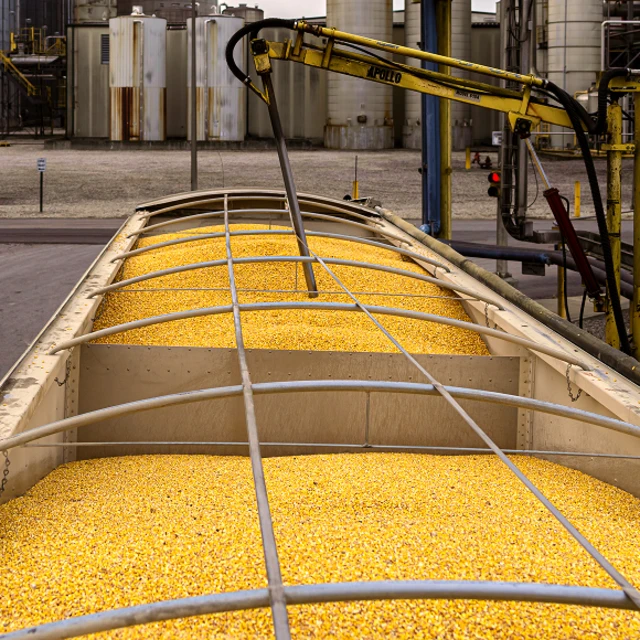
Corn hopper
Biomass conversion

Turning crop
leftovers into value 

There’s a lot more to plants than meets the eye. Thanks to advanced enzymes, biorefineries can now turn things like corn stalks, wheat straw and other farm leftovers into valuable fuel. These biosolutions break down tough plant fibers into sugars, opening the door to new sources of clean energy beyond just traditional grains.

This means farmers can earn extra income by selling crop residues, and biorefineries have more options for what they use – helping local economies grow while making the most of every harvest. It’s another way biosolutions are turning what used to be waste into real opportunity.

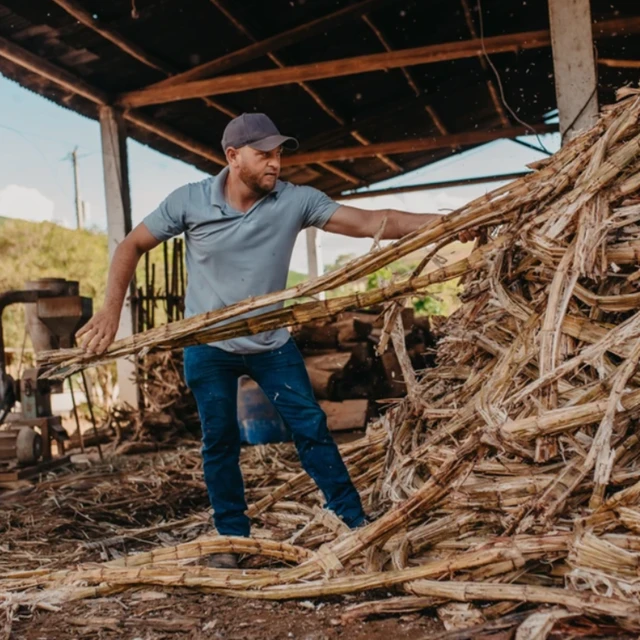
Biomass_conversion

The rise of biomass conversion

Biodiesel production

A future fueled by flexibility

Making biodiesel doesn’t have to be messy or complicated. With enzyme-based processes, producers can turn all kinds of oils – even lower-grade ones and waste fats – into high-quality fuel, using fewer steps and gentler conditions than traditional chemical methods. 

This approach means less impact on the environment, lower costs and better fuel at the end of the day. It’s a win for producers, for drivers and for the planet.

Cleaner fuel, 
streamlined production
Sustainable aviation and marine fuel

Preparing for
tomorrow’s journeys

The future of travel is taking shape in the lab and on the farm. New enzyme-powered processes are turning crop leftovers and waste materials into cleaner fuels for planes and ships. These next-generation fuels are designed to work with today’s engines, but with a much smaller carbon footprint.

It’s early days, but the promise is big: fuels that meet tough performance standards, help cut emissions, and open up new uses for renewable resources. Step by step, biosolutions are helping the world’s journeys become more sustainable – on land, at sea and in the sky.

Paper plane illustration
image

Biosolutions are ready. So is the planet.

This isn’t a choice between prosperity and planet – it’s about building economies where both thrive together. The solutions are here, ready to help us grow smarter and more sustainably. By putting proven technologies to work, we can shape an economy that benefits everyone and safeguards what matters most.

Let’s work together to create a thriving economy on a thriving planet.

Want to immerse
yourself in biosolutions? 

Get clear, illustrated insights – delivered monthly in the Biosolutions Bulletin. From food security to fine dining, explore how biology is shaping everyday life.