


Improved industrial productivity

Balancing inputs boosts returns across industries

How manufacturers worldwide are optimizing resource use to increase output, improve quality and open new doors to climate-friendly growth.

More cheese from
every kilo of milk

Global cheese production is on the rise, with over 22 million metric tons made each year – and growing in regions like the U.S. and Europe.1 But with up to 10 kilograms of milk needed for just one kilogram of cheese, the production costs add up fast.


Biosolutions can help change the equation. Advanced coagulants – specialized enzymes that help milk form curds more efficiently – boost yields and reduce milk use. That means lower costs, fewer carbon emissions, and no need to change existing processes. Producers can meet rising demand with fewer resources and a smaller carbon footprint.

A cheesemaker in a ripening cave examining a wheel of comte for ripeness

Biosolutions:
Cutting energy and boosting efficiency

Manufacturers everywhere are feeling the squeeze – energy prices are up, supply chains are stressed, regulations are tightening and everyone’s expected to do more with less. Biosolutions offer answers. Across industries – from textiles to food, grain to paper – companies are finding new ways to keep production moving while shrinking energy bills and environmental impact.

Biosolutions help teams get more from what they already have. Enzymes cut energy use, streamline processes and improve product quality. The payoff: lower costs, less waste and operations that set a new bar for performance.

See more below on how biosolutions help improve industrial productivity.

Textiles

New opportunities for Chinese textile producers

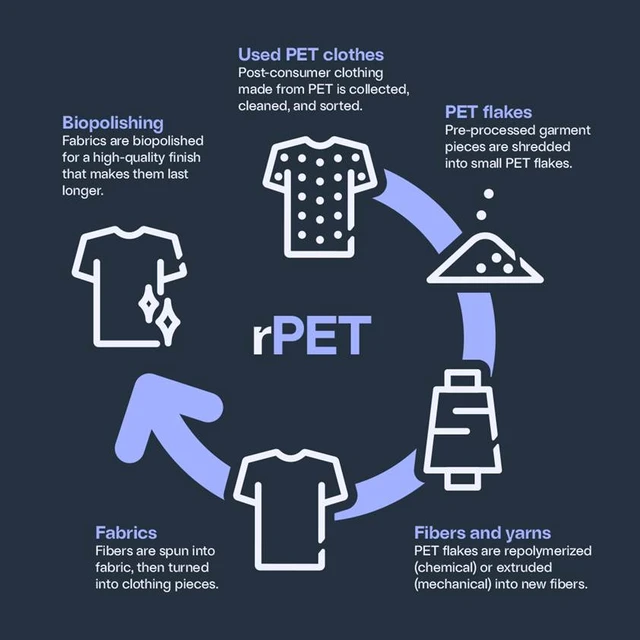
In the world’s largest polyester market, Chinese textile producers face pressure to deliver higher-quality fabrics while reducing energy use and meeting circularity targets. The challenge? Recycled PET (rPET) fibers often lack softness and durability, making it tough to compete in a market driven by eco-labels and global brands.

rPET biopolishing is shifting the landscape. By integrating biosolutions into rPET finishing, mills can achieve smoother surfaces, less pilling and richer colors – improving fabric feel and quality. The technology offers a clear path to higher margins and market leadership while complying with new environmental standards.

New opportunities for Chinese textile producers
Oils & fats

More sustainable, cost-effective processes

Traditional oil and fat refining relies on high heat and harsh chemicals, which can drive up energy use and make consistency a challenge. Biosolutions offer a different path. By using enzymes that work at lower temperatures, producers can refine oils more efficiently and with less environmental impact.

Biosolutions break down impurities and adjust oil properties with greater precision than chemical methods. That means higher-quality oils, less processing waste and better use of resources. Producers can meet quality standards more reliably, all while saving energy and making their operations easier on the planet.

Oil white background
Pulp & paper

Efficiency from forest
to finished product

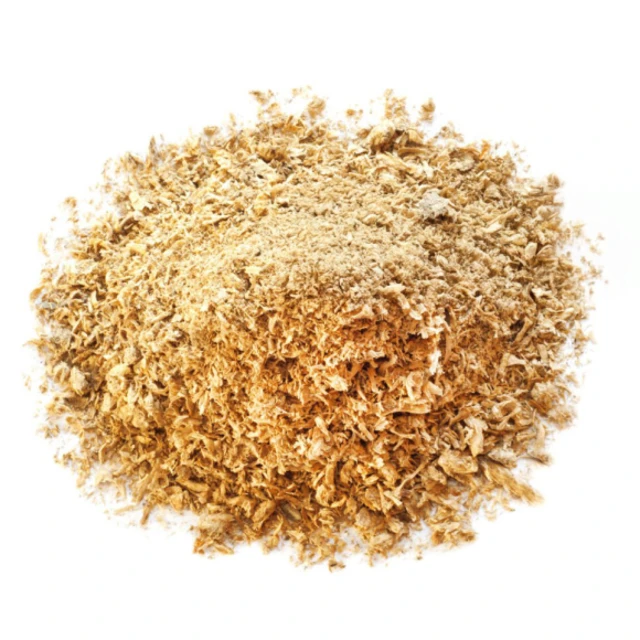
Papermaking has long depended on energy and chemicals to break down wood and get the fibers just right. Today, mills are turning to biosolutions to help with everything from breaking down fibers to improving how they bond in finished paper.

By working with the wood’s natural components, enzymes make it easier to produce strong, high-quality paper while using less energy. Mills get better yields from raw materials, cut water use and reduce waste – all while meeting quality standards more consistently.

Pulp white background
Bio-based plastics

Building tomorrow's materials today

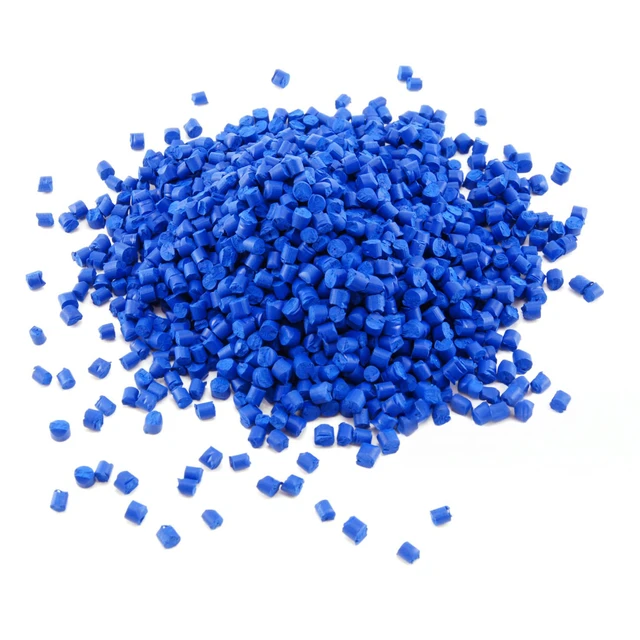
Making plastics usually means relying on fossil fuels, but advanced bioprocesses are changing that. Manufacturers can now use enzymes to turn agricultural leftovers and plant materials into building blocks for bio-based plastics.

These new processes produce plastics that perform just as well as traditional ones, with better options for recycling or disposal at the end of their life. Companies can meet the growing demand for bio-based materials – without sacrificing quality or functionality.

Sustainable plastics
image

Biosolutions are ready. So is the planet.

This isn’t a choice between prosperity and planet – it’s about building economies where both thrive together. The solutions are here, ready to help us grow smarter and more sustainably. By putting proven technologies to work, we can shape an economy that benefits everyone and safeguards what matters most.

Let’s work together to create a thriving economy on a thriving planet.

Want to immerse yourself in biosolutions?


Get clear, illustrated insights – delivered monthly in The Biosolutions Bulletin. From food security to fine dining, explore how biology is shaping everyday life.