

Cheese starter cultures, adjunct cultures and enzymes
Take your cheesemaking to the next level
Craft cheeses that people love, get more from your milk and shape the future with biosolutions including cheese starter cultures, adjunct cultures and enzymes.
Let’s co-create value in cheesemaking
Over millennia, pure biology and human innovation have crafted the rich global tapestry of cheese that we love. And now it’s time to take it to the next level. Wherever you are on your journey to next-level cheese, we can meet your skills and competences with our complementary ones. And together we’ll co-create value to take your cheesemaking to the next level.
Explore next-level cheesemaking
Biosolutions in cheesemaking
Get more control over your cheesemaking with our biosolutions and deep application knowledge. Novonesis’ Direct Vat Set (DVS®) starter cultures and enzymes boost yields and reduce waste to power your profitability and accelerate your sustainability journey. And all these benefits come with no compromise on quality.
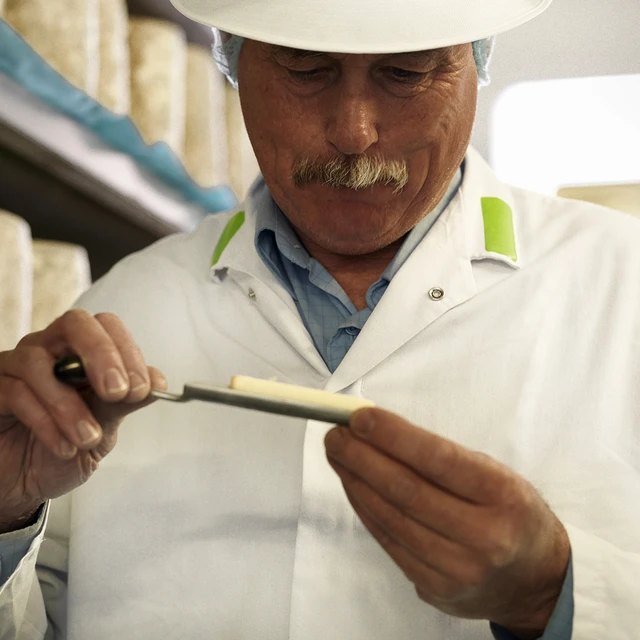
The most specific headline you’ll ever read
Novonesis’ Chy-Max® is the world’s most specific coagulant. This gives you a higher cheese yield.
Higher yield means fewer cows are needed to produce the same amount of cheese, leading to lower emissions per kilogram of cheese. How’s that for specific?

Get more from your inputs
It takes nearly 10 kilos of milk to produce 1 kilo of cheese. And milk accounts for approximately 80% of the final cost of your cheese. With our biosolutions you can achieve yield increases, texture improvements, production efficiencies and other benefits. These unlock significant value in cheese production.

Craft cheese that people love
From mild to intense, our biosolutions unlock next-level flavor profiles. They also enhance visual appeal, meltability, and stretchability. And with our fermentation-enabled bioprotection and low-salt biosolutions, you can reduce your need for things people don't want in the cheeses they love.

Shape the future of cheese
To shape the future of cheese, you need to stay ahead of consumer trends across markets. And you need to keep identifying and acting on opportunities to get closer to your sustainability goals. We’ve got the biosolutions, application knowledge and services to help.
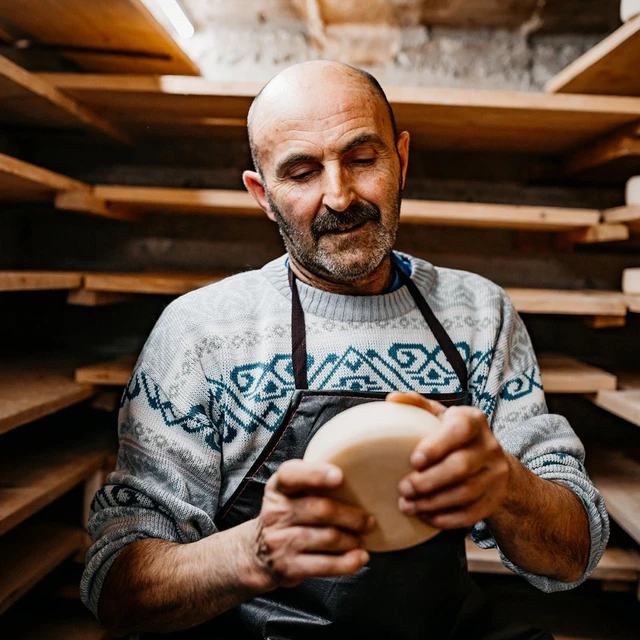
How cultures and enzymes work in cheesemaking
Cheddar, Gouda, Grana, white, soft, continental, feta, cottage or mozzarella/pasta filata. Whichever cheese you’re producing, cheese starter cultures play a key role in making it. Along with other cheese cultures and enzymes, they transform milk into rich, flavorful cheeses people love.
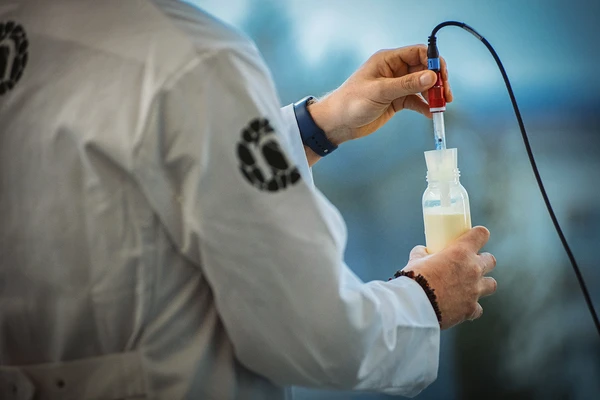
The role of starter cultures in cheesemaking
The safe bacteria in cheese starter cultures are responsible for fermentation. They may also outcompete other bacteria that could compromise health and safety or the final cheese product quality. Through single- and multi-strain approaches, starter cultures balance specificity and resilience.
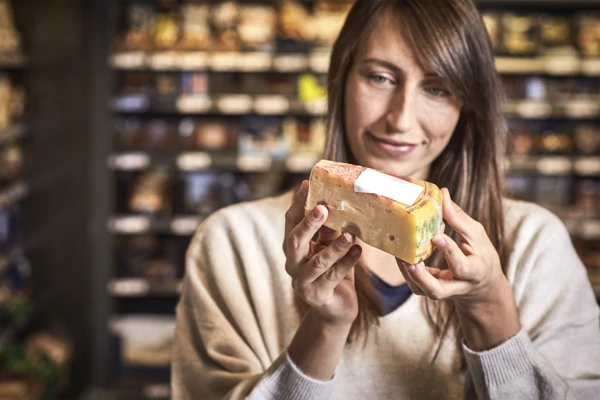
The role of adjunct cultures in cheesemaking
Premiumization in cheese relies on unique sensory profiles. Adjunct cultures help develop these during ripening. Examples include Lactobacillus for enhanced flavor and Propionibacterium cultures. These master eye formation and nutty flavors in Swiss-type and Maasdam cheeses.
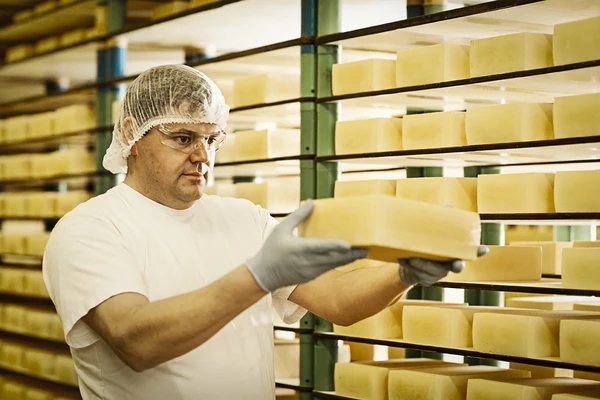
The role of protective cultures in cheesemaking
Protective cultures are natural cultures used to inhibit spoilage organisms and support extended shelf life. They help prevent late blowing in semi-hard and hard cheeses. They also help to protect against yeast and mold in various cheeses, especially in cottage and white brined ones.
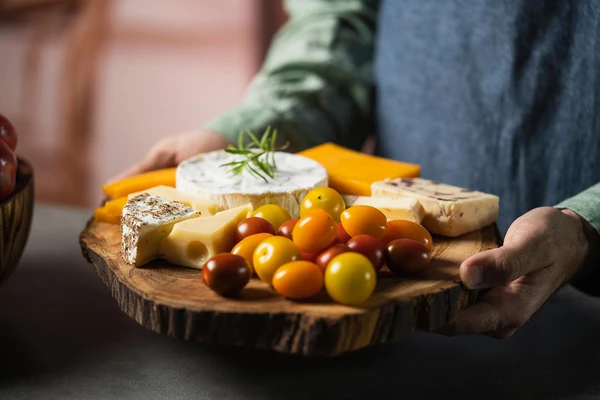
The role of enzymes in cheesemaking
Enzymes are essential to cheesemaking. Throughout history they’ve been used to coagulate milk. And today application innovation has unlocked precise control of key aspects of cheesemaking including yield, flavor and texture development. The result is diverse, high-quality functional and natural cheeses.
Simplify your process with Direct Vat Set cultures
Through direct inoculation with our DVS® cultures, you can eliminate the need for intermediate bulk starter preparation. They’re reliable and easy to use, for consistent results. They also offer phage resistance and fast lactic acid production. And they can enhance the flavors people love in cheese, while suppressing the ones they don't.

Next-level benefits with biosolutions
However you want to take your business to the next level, our enzymes and cheese cultures can help. You can use them to produce outstanding cheeses while reducing waste. They also help you maximize efficiency with no compromise on the quality consumers love.
And by expertly uniting cultures and enzymes in our combinations, we take the benefits of biosolutions – and your cheesemaking - to the next level.
Join the conversation on LinkedIn for updates on innovations, production tips, industry insights and consumer trends.
Explore our full range of biosolutions for cheese
Let’s take cheesemaking to the next level
Fill in the form below and we’ll be in touch to explore how we can craft cheeses that people love, get more from your milk and shape the future.
One more step…
To complete the get in touch form or sign up, please click on the button below to enable cookies.
Biosolutions for
fermented milk and milk

Fermented milk
Explore our biosolutions for fermented milk products. They can help you improve yields, taste and texture as well as helping you reduce sugar and lactose. They also help you optimize your recipes, achieve consistent quality, improve freshness and unlock probiotic enrichment.

Milk
Our solutions for milk can help keep milk free of antibiotics, aflatoxins and adulterants. That means you can reduce your discards and associated emissions. We can also help you take milk to the next level with biosolutions for lactose-free, low-sugar and probiotic-enriched milk.